
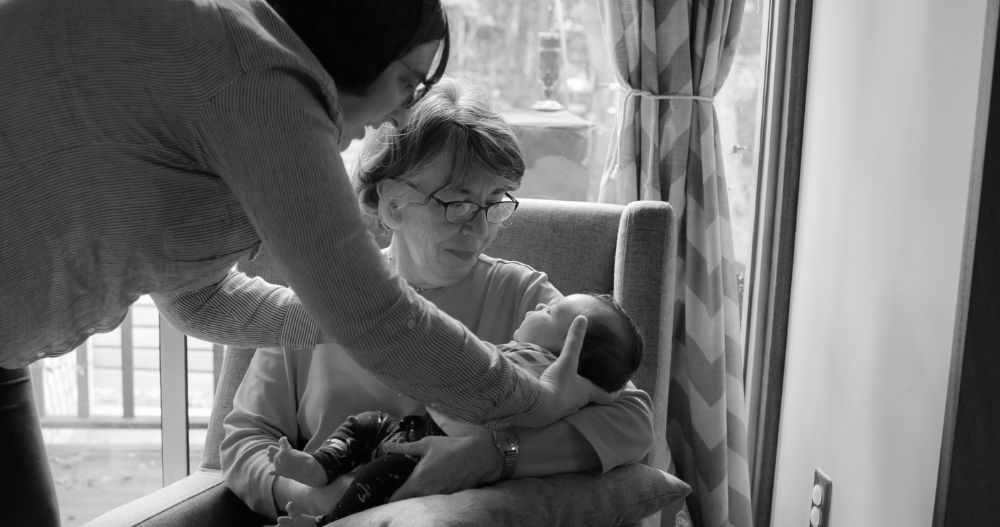
Americans are living longer, while many young adults are taking longer to reach financial independence. The result is a growing group of people caring for two generations at once.
According to the Pew Research Center, about 23% of U.S. adults are part of the “sandwich generation.” These are adults who have a parent age 65 or older while also raising children under 18 or financially supporting an adult child.
The pressure is especially concentrated in midlife. More than half of Americans in their 40s (54%) are caring for both an aging parent and their own children, making them the age group most likely to feel the weight of these dual responsibilities.
For many caregivers, the motivation is deeply personal. I know this from firsthand experience from caring for mom as she progressed through years of a dementia diagnosis. There is a natural desire to return the care our parents once gave us while still being fully present for our children. But even when caregiving is rooted in love, the stress can accumulate. As someone in the sandwich generation myself, I have seen how real that emotional and mental load can be. Seeking support is not selfish. It is often what makes it possible to keep showing up with strength and compassion.
Balancing two generations often means juggling medical appointments, emotional support, parenting responsibilities, and professional demands. Even when it comes from love, the cumulative pressure can be significant.
At the same time, research shows something important about this stage of life. Many adults in the sandwich generation report strong satisfaction with their family lives, highlighting the meaning and connection that caregiving can bring.
But meaning does not eliminate the need for support.
Caregivers need spaces where they can process stress, gain perspective, and build resilience. Talk therapy can provide that space. It offers caregivers the opportunity to step outside the constant demands of caring for others and focus, even briefly, on their own well-being.
Because if caregiving is an act of love, support is what helps sustain the people who are doing the caring.
If you are looking for someone to talk to, consider reaching out to an Ellie therapist near you- see them in-person at one of our 200+ clinics around the U.S. or online. Find a therapist by clicking here.