
Newton, MA
Newton
109 Oak Street Suite 201
Newton, MA 02464
View this location
Newton, MA 02464

Are you feeling overwhelmed by anxiety, panic attacks, persistent negative thoughts, trauma, grief, ADHD, relationship stress, perfectionism, burnout, or a painful sense of disconnection from yourself? Do you appear successful on the outside while privately struggling with self-doubt, overthinking, shame, pressure, or a loss of direction?
You do not have to carry it alone, and you do not have to stay stuck in survival mode.
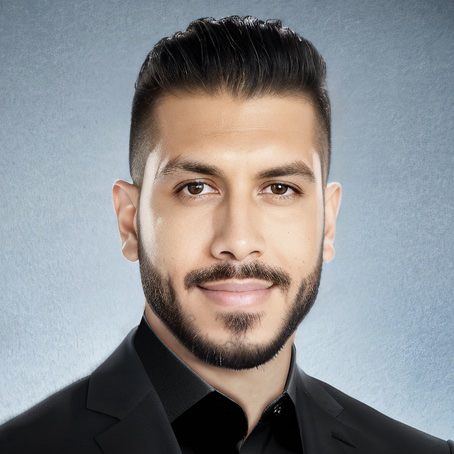
Marwan El Khoury, LMHC, is a Licensed Mental Health Counselor. He works with young adults and adults, generally ages 19 to 55, as well as couples and families. He holds a Master’s degree in Clinical Mental Health Counseling with a specialty in Couples and Family Therapy from William James College. He is an EMDRIA Certified EMDR therapist and has specialized training in clinical hypnosis. He also holds a Master of Divinity from Boston College and an MBA in Entrepreneurship from the University of Liverpool. This background allows him to integrate mental health, trauma treatment, relationships, spirituality, leadership, performance, identity, and personal growth in a practical and individualized way.
His approach to therapy is compassionate, direct, and collaborative. Therapy should help clients understand themselves, regulate emotions, process painful experiences, strengthen relationships, build confidence, and develop tools they can use in daily life. His goal is to create a space where clients feel safe enough to be honest, supported enough to heal, and challenged enough to grow.
He works with anxiety, panic, trauma, grief, ADHD, emotional dysregulation, relationship issues, low self-esteem, body image concerns, identity struggles, addiction-related concerns, perfectionism, burnout, major life transitions, mood instability, bipolar disorder, borderline personality traits, and intense emotional or relational patterns.
What makes his work different is the depth and range of his clinical lens. He draws from Cognitive Behavioral Therapy (CBT), Dialectical Behavior Therapy (DBT), Acceptance and Commitment Therapy (ACT), Motivational Interviewing, EMDR therapy, clinical hypnosis, trauma-informed care, existential therapy, person-centered therapy, Adlerian therapy, and family-systems work. He does not use a one-size-fits-all model. He tailors therapy to each client’s goals, values, culture, relationships, nervous system, strengths, and lived experience.
As an EMDRIA Certified EMDR therapist, he helps clients process traumatic or distressing experiences, reduce emotional reactivity, and build healthier responses to triggers. EMDR can be helpful when painful memories, anxiety, panic, grief, shame, or relationship wounds continue to feel emotionally charged in the present.
He also offers clinical hypnosis to support emotional regulation, confidence, focus, habit change, performance, anxiety reduction, and mind-body awareness. Hypnosis is used collaboratively and ethically through focused attention, guided imagery, and therapeutic suggestion. When clinically appropriate and coordinated with qualified medical providers, he may support ketamine-assisted psychotherapy (KAP) preparation and integration, helping clients process insights and connect their experiences to therapeutic growth.
One of his special areas of focus is men’s mental health and the emotional cost of pressure, perfectionism, overworking, fear of failure, and performance-based self-worth. He works with high-achieving individuals, professionals, entrepreneurs, athletes, and men who feel they must always be strong, productive, controlled, or successful. His MBA in Entrepreneurship gives him an understanding of ambition, leadership, responsibility, risk, discipline, performance, and burnout. In therapy, he helps clients move beyond survival mode, overfunctioning, emotional suppression, and harsh self-criticism toward a more grounded, confident, and connected way of living.
With couples and families, he uses a systemic approach to help clients move from conflict to connection. He helps partners and family members understand negative interaction cycles, improve communication, rebuild emotional safety, set healthier boundaries, and develop secure, respectful relationships.
For clients who desire a spiritual component, he can integrate faith, theology, spirituality, and existential reflection into therapy. For clients who do not want a spiritual focus, therapy remains clinically grounded and client-centered. His goal is never to impose beliefs, but to honor the whole person and support each client’s values, worldview, and healing process.
Clients often come to him when they feel stuck, overwhelmed, disconnected, or defined by the past. They may be successful yet exhausted, loving yet wounded, or capable yet self-critical. Therapy is a process of understanding, healing, practicing, and growing freer. With compassion, honesty, clinical skill, practical tools, he helps clients build resilience and move toward grounded living.