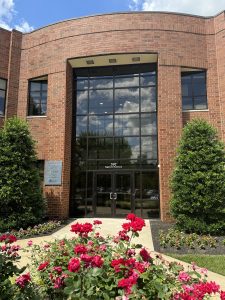
Exton, PA
Exton
397 Eagleview Blvd Suite 120
Exton, PA 19341
View this location
Exton, PA 19341


Lorraine offers warm, collaborative therapy grounded in the belief that people heal through being genuinely understood, not reduced to symptoms or a diagnosis. She works with preteens, adolescents, adults, and older adults navigating anxiety, depression, trauma, grief and loss, neurodivergence, relationship concerns, parenting and co parenting challenges, self esteem, and major life transitions. Her work is shaped by curiosity about the experiences, relationships, and patterns that influence how people understand themselves and move through the world.
Her approach is person centered and relational, integrating attachment based, psychodynamic, cognitive behavioral, mindfulness based, somatic, and trauma informed perspectives. She values both insight and practical change. Therapy may involve recognizing longstanding patterns, strengthening emotional regulation, developing greater self awareness, and creating more choice in how one responds to difficult emotions, relationships, and circumstances. Her experience with experiential and equine assisted psychotherapy also informs a flexible and creative approach that respects the individuality of each client.
In her work with children and adolescents, Lorraine focuses on identity development, emotional regulation, behavioral patterns, and peer and family relationships. She is attentive to the increasingly complex role of screens, social media, gaming, and sexual content online in shaping attention, self image, relationships, and emotional well being. She values thoughtful collaboration with caregivers while honoring each young person’s developing agency, privacy, and sense of self.
Lorraine has particular interests in women’s mental health, pregnancy and postpartum adjustment, single parenting, caregiver support, grief, and complex family transitions. She has experience supporting individuals and families navigating neurodivergence, complex mental health concerns, dementia, serious or terminal illness, divorce, custody conflict, grief, and bereavement. She understands that distress rarely exists in isolation and that relationships, family dynamics, institutions, and life circumstances can profoundly influence how people experience themselves and one another.
Lorraine earned her Master of Social Service in Clinical Social Work from Bryn Mawr College, where she was a Child and Family Well Being Fellow. Her community and legislative advocacy contributed to the passage of Pennsylvania family court legislation designed to strengthen protections for individuals and families. This experience deepened her understanding of what it can mean to navigate complex systems while trying to preserve one’s safety, relationships, voice, and sense of self.
Her work centers on helping people make sense of complex inner experiences, relationships, and larger systems while remaining connected to who they are.
Above all, Lorraine strives to create a therapeutic relationship grounded in safety, trust, honesty, and genuine human connection. She approaches each person with respect for the complexity of their story and confidence in their capacity for growth. Through validation, thoughtful exploration, and grounded support, Lorraine helps clients understand themselves more deeply, recognize their strengths, and move toward greater clarity, connection, agency, and a life that feels more fully their own.