
Therapeutic Aproaches - Animal Assisted (Equine)
What Is equine assisted therapy and could it be right for you?
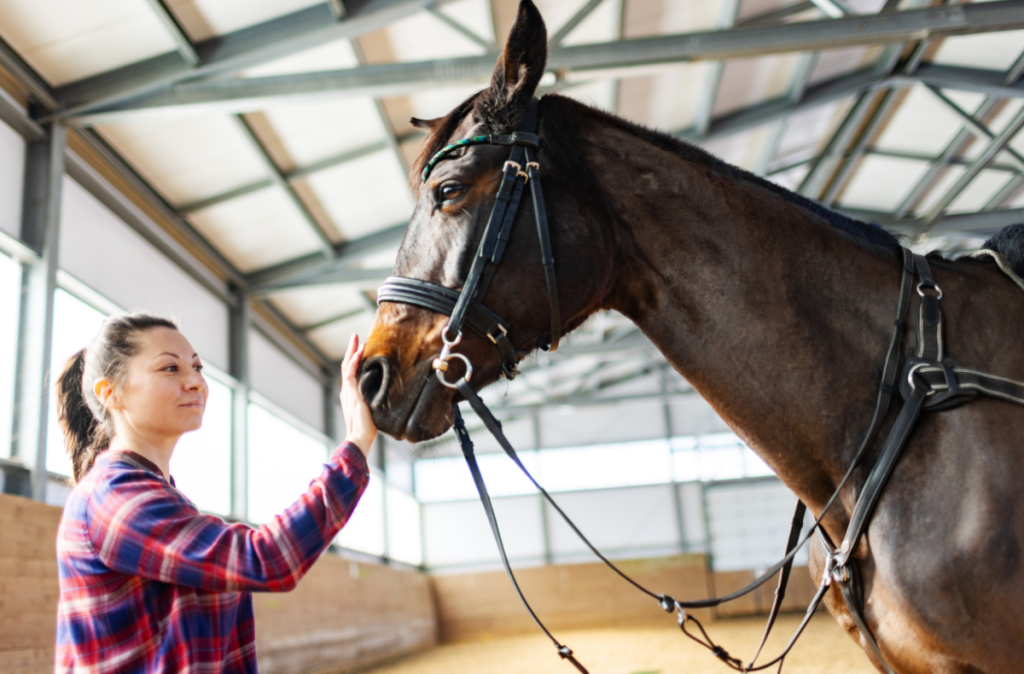
Equine assisted therapy (EAT) brings horses into the therapeutic process to support emotional regulation, build trust, and deepen self-awareness. Horses are large, sensitive, and highly attuned to body language and emotional energy. Working alongside one, on the ground rather than on horseback, can surface things that feel harder to reach through conversation alone.










What this can feel like
People who benefit from equine assisted therapy often describe:
- Difficulty naming or trusting their own emotions, especially after trauma
- A pattern of masking feelings around other people without realizing it
- Anxiety that responds to calm, predictable routines but not to reassurance alone
- Struggling to feel present in their body or their surroundings
- Wanting a form of therapy that doesn’t rely entirely on talking
Why this happens
Horses are prey animals, which means they read posture, breathing, and emotional state constantly, without judgment or agenda. A horse will often respond differently to someone who feels calm than to someone who feels tense, even if that person hasn’t said a word. That real-time, honest feedback can help people notice patterns in themselves they’ve never had reflected back so clearly. For people who’ve learned to hide what they’re feeling, that kind of mirror can be both unsettling and clarifying.
How equine assisted therapy can help
Equine assisted therapy is typically done through structured groundwork exercises, such as leading, grooming, or observing a horse’s behavior, guided by a licensed therapist. It’s used alongside individual or group therapy, not as a replacement for it. The horse’s presence supports:
- Increased body awareness and emotional regulation
- Practice setting boundaries and reading nonverbal communication
- Reduced avoidance and greater willingness to stay present with difficult feelings
- Confidence built through direct, honest feedback from the horse’s responses
- Processing material that’s hard to access through talking alone
Your therapist shapes each session’s exercises around your specific goals.
How Ellie makes support more accessible
- Trained clinicians with specific experience in equine assisted interventions
- Coordination with local equine facilities so you know what to expect before you start
- Location-based availability – reach out to ask what’s offered near you
- We connect you with a clinician whose approach and experience fit your specific needs
- No riding experience needed. Sessions are built around groundwork, not equestrian skill
Frequently Asked Questions for Animal Assisted (Equine)
Not sure what to expect? These are the questions people ask us before they get started.

No. Most equine assisted therapy happens on the ground, not in the saddle. Sessions typically involve leading, grooming, or observing a horse rather than riding one.
Your therapist will go at your pace, and initial sessions often start with simple observation before any hands-on interaction. Feeling cautious at first is common and part of the process.
It’s often used to support trauma recovery, anxiety, attachment difficulties, and emotional regulation, though your therapist will help determine if it fits your specific needs.
No. Therapeutic riding focuses on physical or recreational goals, while equine assisted therapy is a mental health intervention led by a licensed therapist focused on emotional and psychological growth.
Availability varies by clinic and depends on access to a partnering equine facility. Reach out to your local Ellie clinic to ask what’s currently offered near you.