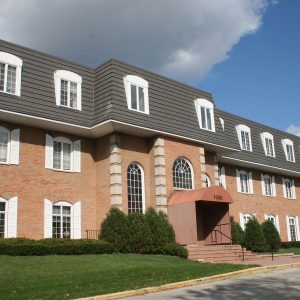
Oak Brook, IL
Oak Brook
1000 Jorie Blvd Suite 228
Oak Brook, IL 60523
View this location
Oak Brook, IL 60523

Select a location to view current new client availability
People are complicated—and I happen to think that’s one of the most interesting things about us. The choices we make, the ways we protect ourselves, the relationships we build, and even the patterns we wish we could change usually developed for a reason. Therapy gives us a chance to get curious about those reasons, understand what shaped them, and decide what still belongs in the life you’re building now.
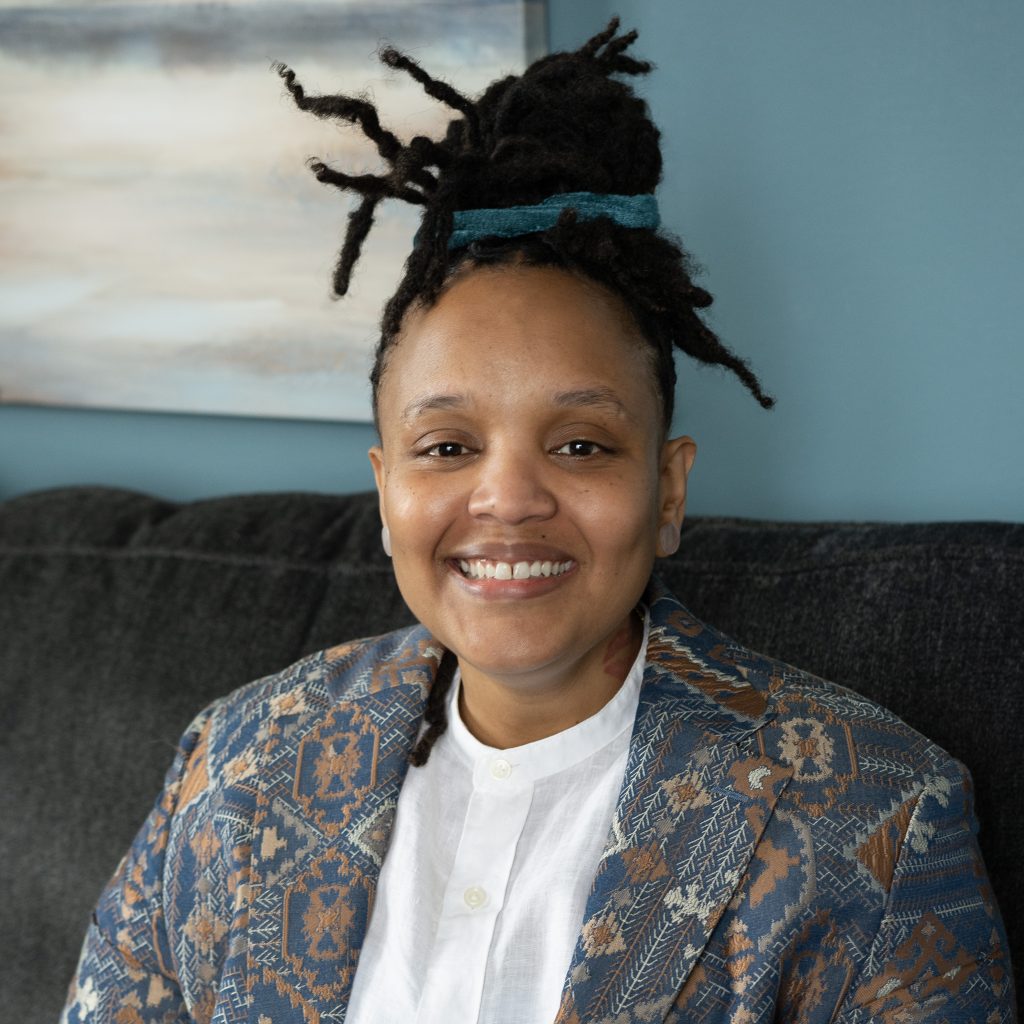
Hi, I’m Kala Cullars, LCP, CADC. I’m a therapist, abstract expressionist artist, motorcycle rider, chess player, traveler, tattoo enthusiast, plant collector, dog person, and proud roommate to a red-eared slider turtle. In other words, I appreciate people with layers. I especially connect with clients who experience the world a little outside the lines and want a therapist who is interested in getting to know the person behind the symptoms, behaviors, accomplishments, or labels.
There’s no “right” way to show up in therapy. You don’t need the perfect words, a clear explanation for what you’re feeling, or a polished version of yourself. Bring the messy, contradictory, unfinished parts too. Together, we’ll get curious about what’s underneath your behaviors—what you’ve learned, what you’ve needed to protect, what helped you survive, and whether those same patterns are still serving you today.
You also don’t need to arrive at therapy perfectly prepared. You can be uncertain, frustrated, guarded, angry, funny, skeptical, hopeful—or several of those at the same time. I’m particularly interested in the parts of ourselves we learned to develop for protection. Trauma-informed therapy isn’t about asking, “What’s wrong with you?” It’s about becoming curious about what you’ve experienced, what you learned from it, and what your mind and body have been trying to do for you ever since.
My clinical experience includes complex trauma, chronic stress, substance and alcohol use disorders, recovery, ADHD and neurodevelopmental differences, mood and personality disorders, eating disorders, behavioral concerns, gender dysphoria, attachment difficulties, and relationship concerns. I’m particularly passionate about identity, self-worth and shame, perfectionism, body image, anger, boundaries, people-pleasing, family conflict, intergenerational patterns, existential concerns, and recovery through a harm-reduction lens.
I have spent much of my career working alongside communities that have historically been underserved or misunderstood within mental health, educational, healthcare, and legal systems. This includes BIPOC and LGBTQIA+ clients, directly and indirectly justice-impacted individuals and families, people navigating substance use and recovery, youth involved with child welfare, and students in under-resourced communities. My background includes correctional settings, recovery homes, schools, community-based services, and high-acuity residential treatment.
Because of those experiences, I’m comfortable with complexity. If you’ve been called “angry,” “defiant,” “difficult,” or “too much,” I’m probably going to be curious about what happened before someone gave you that label.
I also really enjoy working with artists, creatives, athletes, performers, entertainers, and people in high-visibility or public-facing roles. Success and creativity don’t make someone immune to anxiety, trauma, identity struggles, substance use, loneliness, or self-doubt. Sometimes being known by many people can make finding a space where you can simply be yourself even more important.
My approach is integrative, relational, culturally responsive, and trauma-informed. I draw from CBT, DBT, ACT, Motivational Interviewing, Narrative Therapy, attachment and emotion-focused approaches, Family Systems, Harm Reduction, and person-centered and strengths-based therapy. We’ll use what makes sense for you rather than trying to make you fit a particular model.
Ultimately, I hope therapy gives you relief, understanding, choice, and freedom. I want you to understand yourself deeply enough to recognize the difference between who you are and what you learned to do to survive.
Together, we can honor the parts of you that learned how to survive, understand the stories you’ve carried, and decide what still belongs in the life you’re building now.